
Your credit bureau report (“credit report”) is a detailed document that contains important information about your financial history. This information is used by lenders, credit card companies, landlords, auto financiers, and other credit extending institutions to evaluate your creditworthiness. Understanding the data within your credit report is crucial, as it can impact your ability to get loans, credit cards, competitive rates on insurance, and even job prospects. We will break down the key components of your credit report, explain what each section means, and how it affects you.
A credit bureau, also known as a credit reporting agency, is a company that collects and maintains information about your credit activity. The credit bureau creates credit reports that summarize your borrowing history, including your current credit obligations, payment behavior, and more. The two Major credit bureaus in Canada are Equifax and TransUnion.
Each bureau gathers similar information, but it is possible that there may be slight variations in the data they reported. It is also possible that a given creditor may only report to one bureau.
This section contains identifying information about you, such as:
The purpose of this section is to verify your identity. Lenders use this to confirm that the credit report belongs to the correct individual. Inaccuracies here, such as incorrect addresses or employment details, could indicate a mistake or potential identity theft.
This section outlines your credit accounts, including:
Each account listed will typically show:
This purpose of this section is to help lenders assess your borrowing behaviour. On-time payments improve your creditworthiness. Missed or late payments negatively impact your credit rating.
This section includes information from public records such as:
Public records are negative marks on your credit and can significantly lower your credit score. They typically remain on your report for six years or longer depending on the type of public record, credit bureau provider and province of reporting.
The purpose of this section is to provide lenders with additional information regarding actions that you have initiated or have been taken against you. Lenders view public records as major risk factors, as they indicate financial difficulties.
Credit inquiries are made when you or a potential lender requests your credit report. There are two types of inquiries:
Credit inquiries show how often your credit is being checked. Too many hard inquiries in a short period may indicate a higher risk for lenders, as it could suggest financial instability.
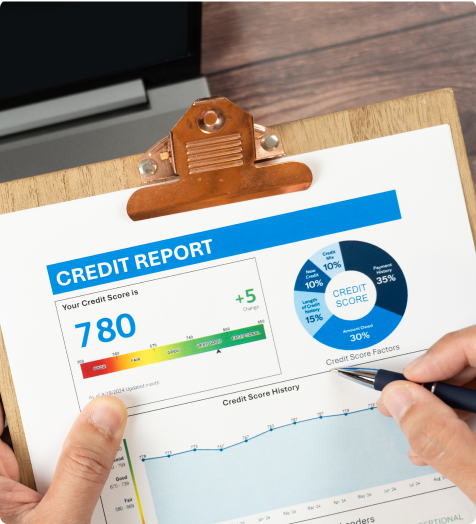
Your credit score is a numerical value based on the information in your credit report. It ranges from 1 to 900 (depending on the credit bureau being used). The higher your score, the more likely you are to be approved for credit at favourable terms.
Credit Score Ranges:
This score is used by lenders to determine the likelihood that you will repay borrowed money. A high score generally means lower risk for lenders, leading to better interest rates and more favorable loan terms.

Your credit report is an essential tool that affects many aspects of your personal and financial life. By understanding the data contained within your credit report and actively managing your credit behavior, you can improve your credit score and make better financial decisions. Regularly reviewing your credit report, maintaining good credit habits, and addressing issues promptly are key steps to ensuring your financial well-being.
For more information or to obtain a copy of your credit report, visit the official websites of the two major credit bureaus:
Email inquiries@tcr.ca or call +1-800-267-2482
